

AMB milling motor 1400 FME-U DI 230V (for ER16 precision collets)
Tax included. Shipping calculated at checkout

Description
Due to popular demand, the successful model is now also available with the powerful 1.4kW motor.
The manual tool changing system with digital control capability – extremely robust and optimized for milling operations of all kinds – is particularly suitable for use on gantry milling machines or CNC routers.
The FME-U DI offers a completely new concept. For the first time, spindle bearings are used in a stable, robust aluminum body for optimal precision and minimal wear.
Changing milling cutters, among other things, is possible in seconds and without tools – a revolution.
DI stands for direct control via the controller. The required speed for the application can be selected or programmed directly there. This reduces noise, increases duty cycle, and decreases wear.
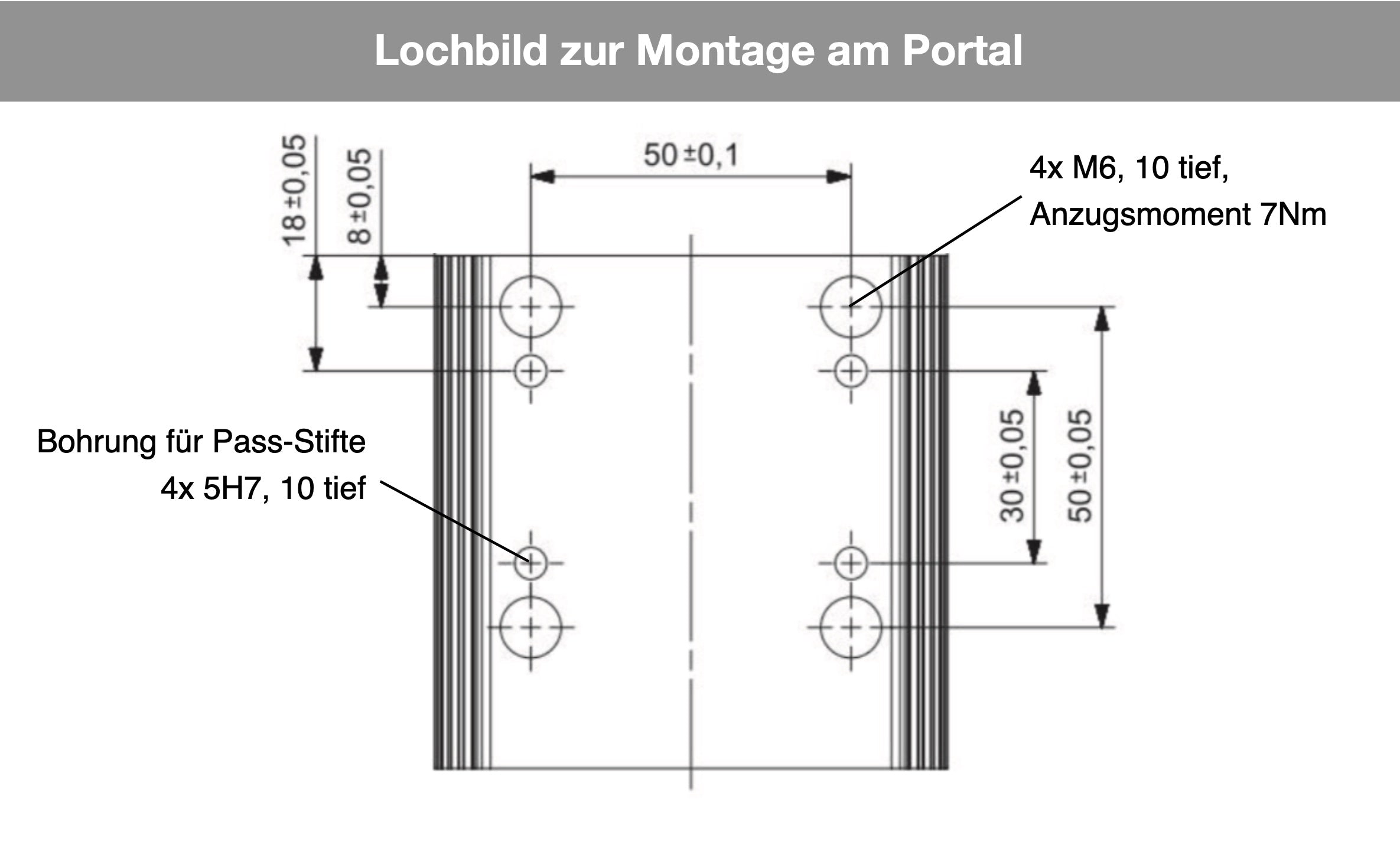
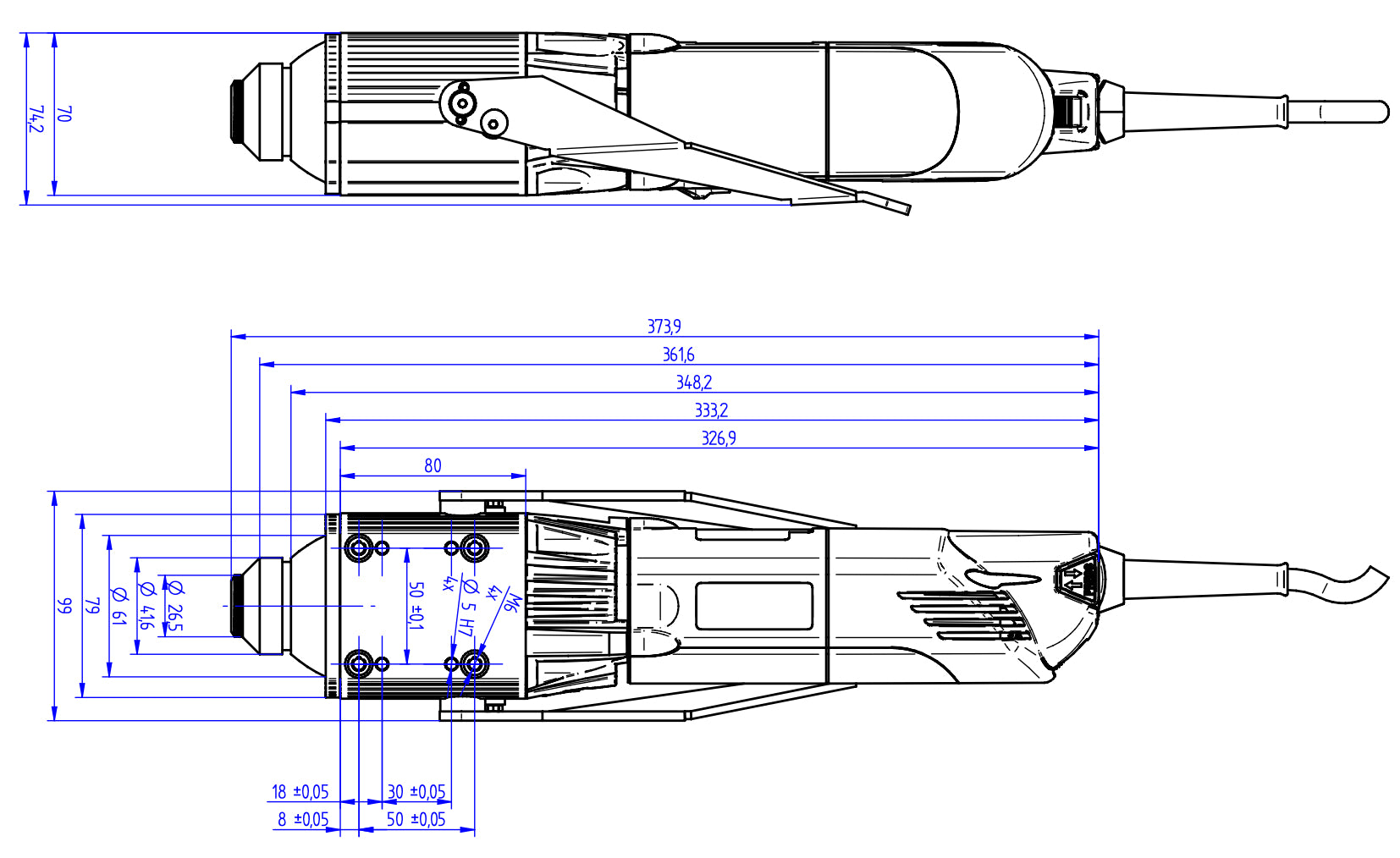
The motor is attached directly and rigidly to the portal via 4 threaded connections.
The motor, bearings, and seals are designed for use with extended duty cycles.
Full-wave electronic speed control ensures a constant speed even during demanding milling operations. Speed preselection and soft start are standard features at AMB.
The motor is double-insulated and offers maximum protection against external influences.
The electronics are perfectly protected against dust and external influences by a complete potting compound – in comparison, other providers often work with unprotected electronics with a shorter lifespan.
Electronic thermal overload protection protects against overheating.
Genuine carbon brushes made in Germany – with integrated shut-off. This prevents damage to the commutator when the carbon is worn. Additional silicone pads between the carbon and the pressure spring ensure a long service life through vibration damping.
Extremely versatile applications – for mounting in e.g.: CNC portals (routers), routers, milling jigs, drill stands,...
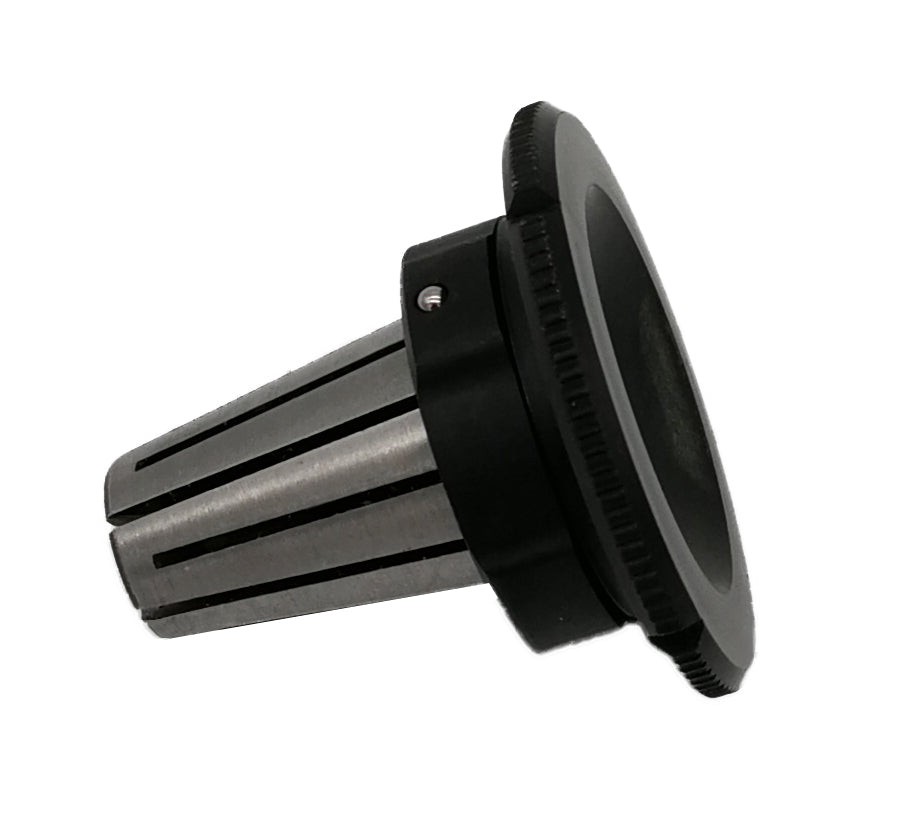
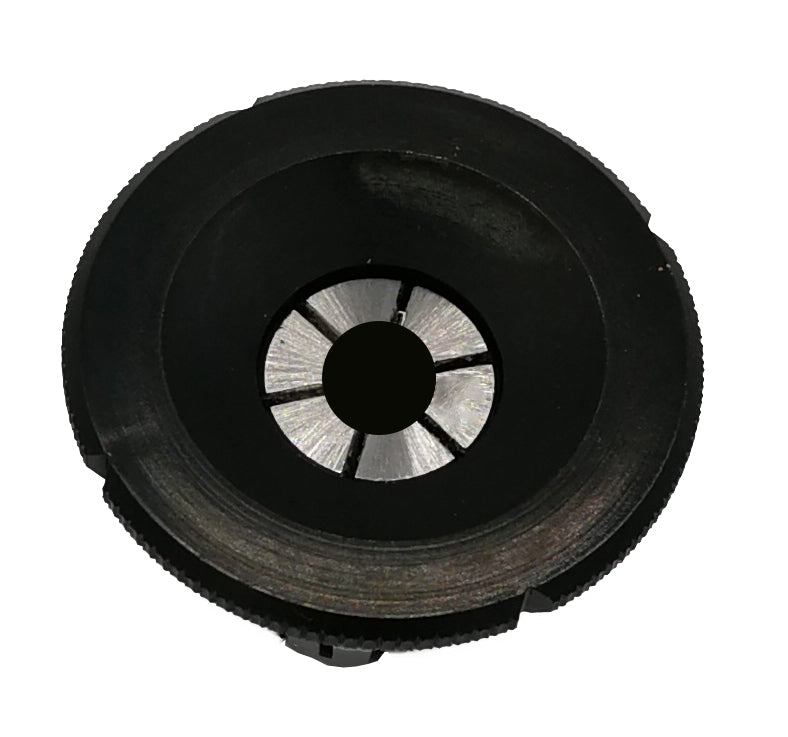
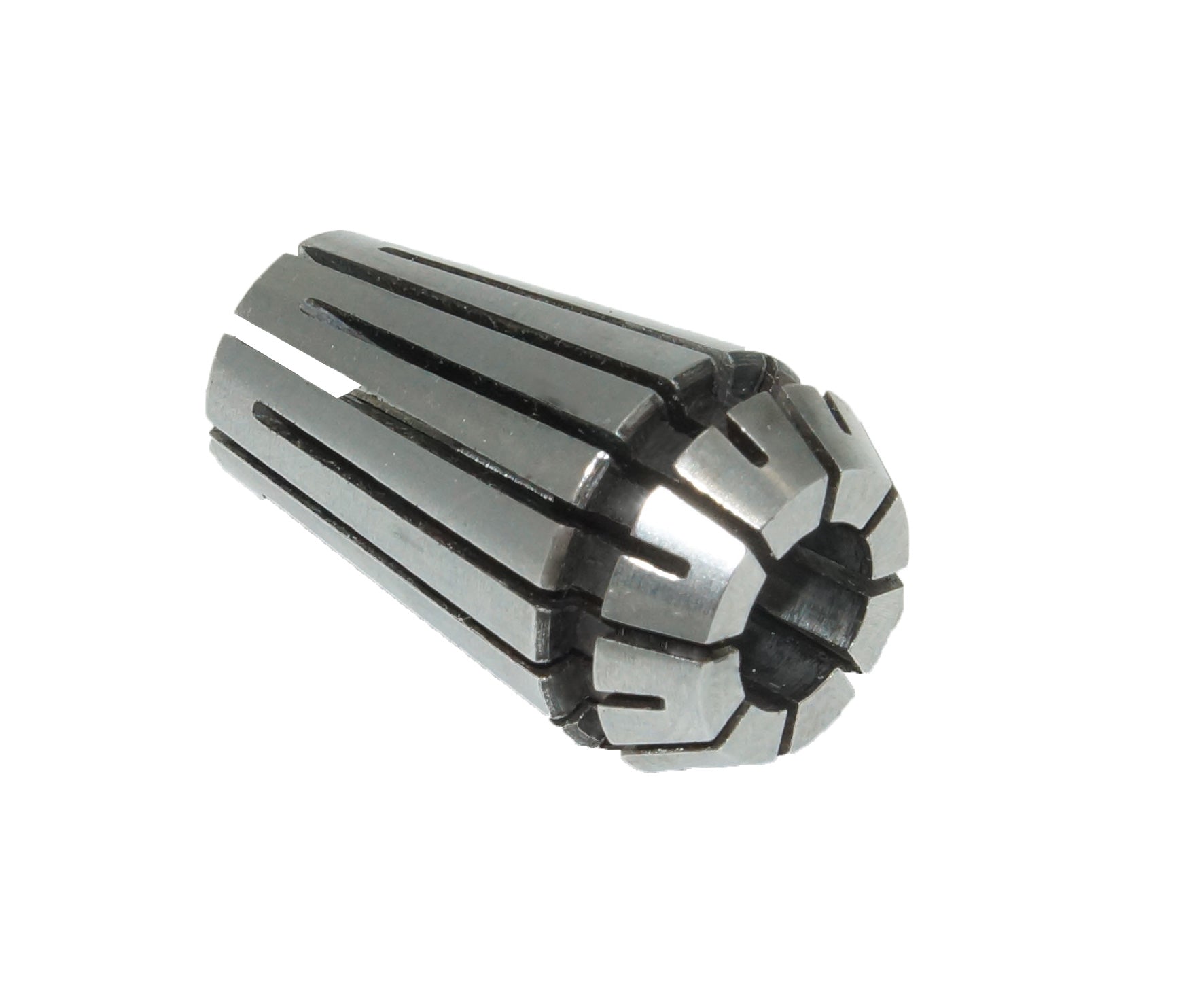
The ER16 collet chuck conforms to industry standards and is available worldwide.
Unrivaled in lightness at only 3.4 kg.
Exceptionally slim design for minimal installation space and ergonomically comfortable handling when used freely, e.g., as a straight grinder, etc.
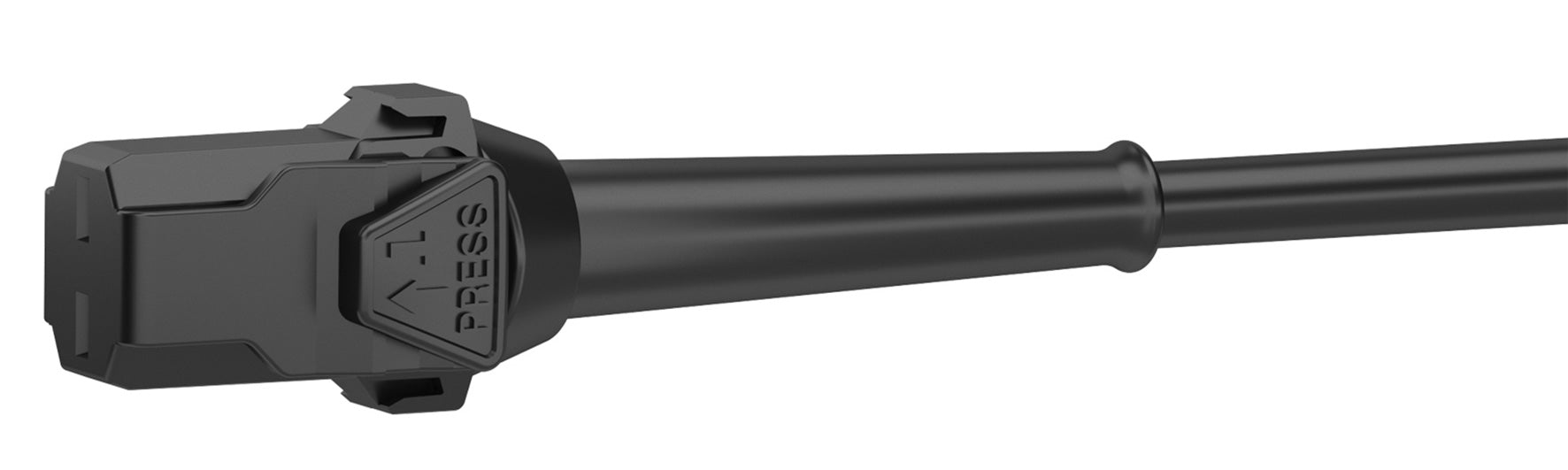
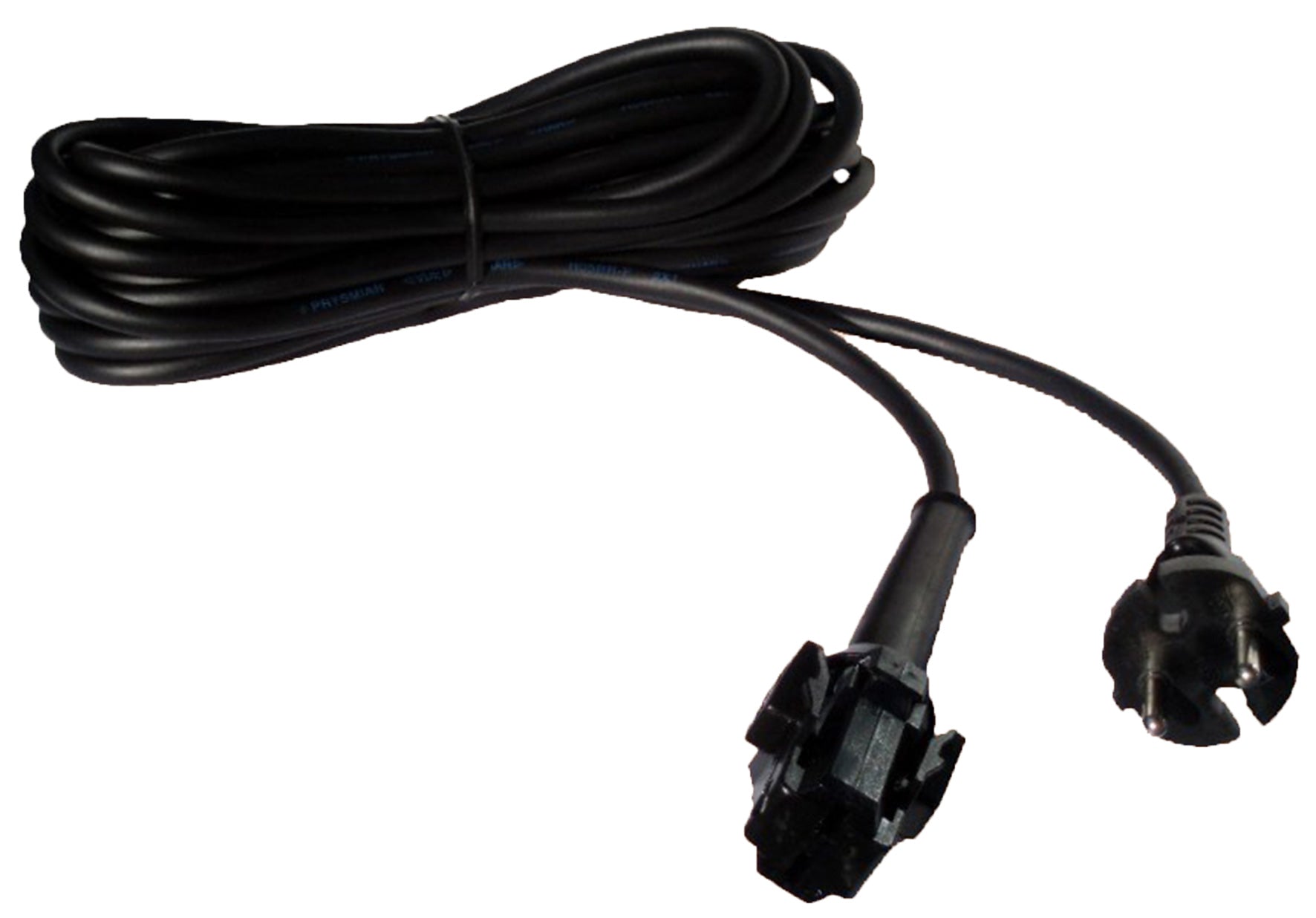
Quick-change power cables can be replaced directly on the device and are available in lengths up to 7.5 meters.
The original Kress power cable module is technically unmatched and allows for device changes directly at the machine. There's no need to change the power supply at the source (wall socket). It couldn't be simpler. This also allows multiple devices to be powered with just one cable during use.
Scope of delivery
Choose options
Technical Data & FAQs
About Us
As a manufacturer of hand- and machine-guided milling motors and milling spindles for CNC portals, AMB-ELEKRTRIK builds top-quality German products based on the well-known milling motors of the former Kress-Elektrowerkzeuge.
